
Breed profile · Terrier Group · Pilot page
Wire Fox Terrier
“On the tip-toe of expectation at the slightest provocation.” That one line of the standard tells you everything about the Wire: a small, hard-coated hunter built to go to ground after fox — and still one of the great show dogs.
Pilot page — help us improve it. This is the first of ThePetAdvisor’s breed profiles, built from public sources with generous links to the people who actually own this breed’s knowledge. If something’s off or missing, the parent club can claim the page and set it straight — see the bottom of the page.
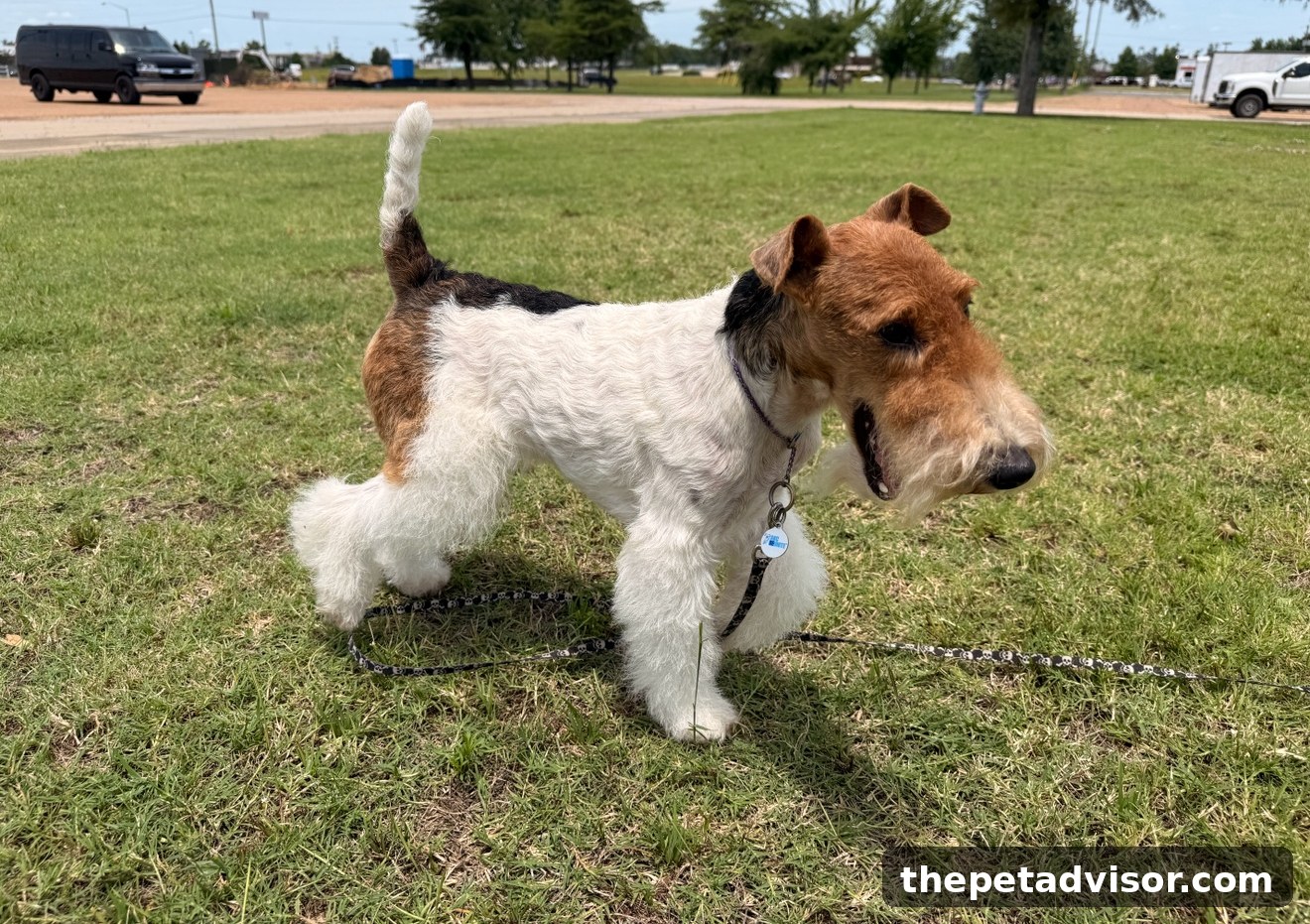
1. Breed at a glance
Terrier — recognized since 1885
Dog: up to 15½″ at the withers, 18 lbs in show condition. Bitch: proportionately lower, about 16 lbs.
Dense, wiry, “like coconut matting.” White predominates, with black and/or tan markings.
Alert, quick, keen — “on the tip-toe of expectation at the slightest provocation.”
High. The parent club calls them “very lively, cheerful and funny” — and they mean it.
Size, weight, and coat facts are from the AKC standard as published by the American Fox Terrier Club (approved February 9, 1991). Temperament and energy notes from aftc.org.
2. History
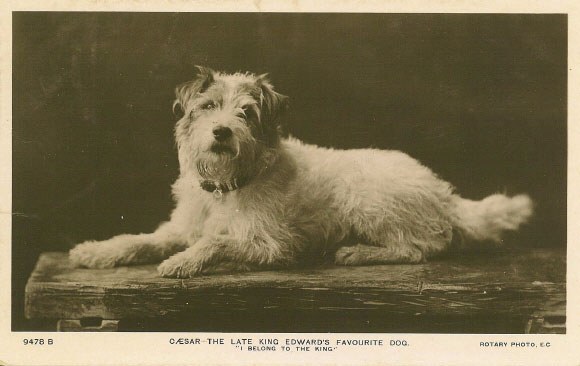
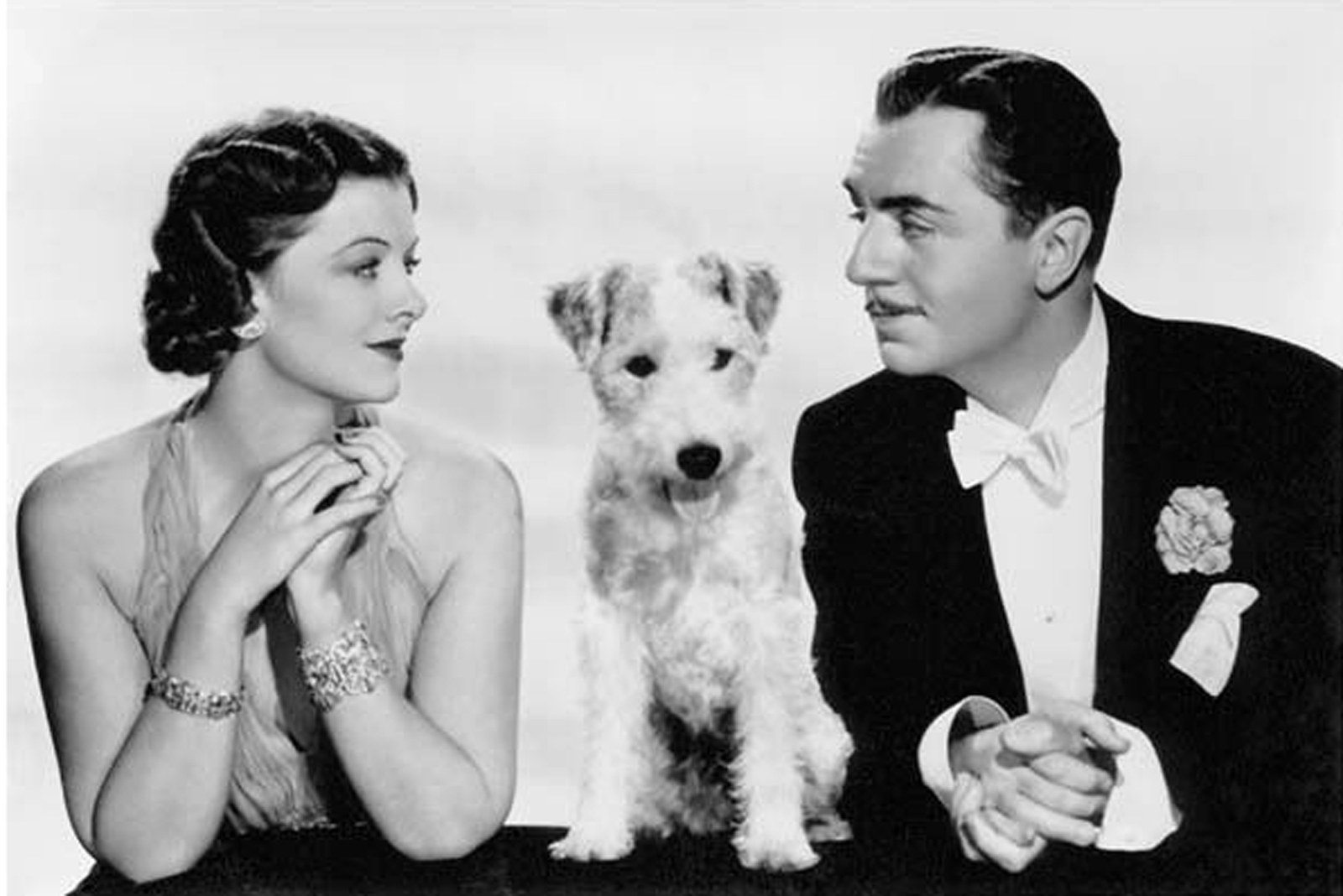
Fox terriers as a type go back to Britain in the late 1600s or early 1700s. Their name was their job description: when the hounds ran a fox to ground, the terrier was sent down the earth to bolt it — or hold it — until the hunt could follow. They had to be small enough to fit a fox den, brave enough to face a fox underground, and fast enough to keep up with horses and hounds above it.
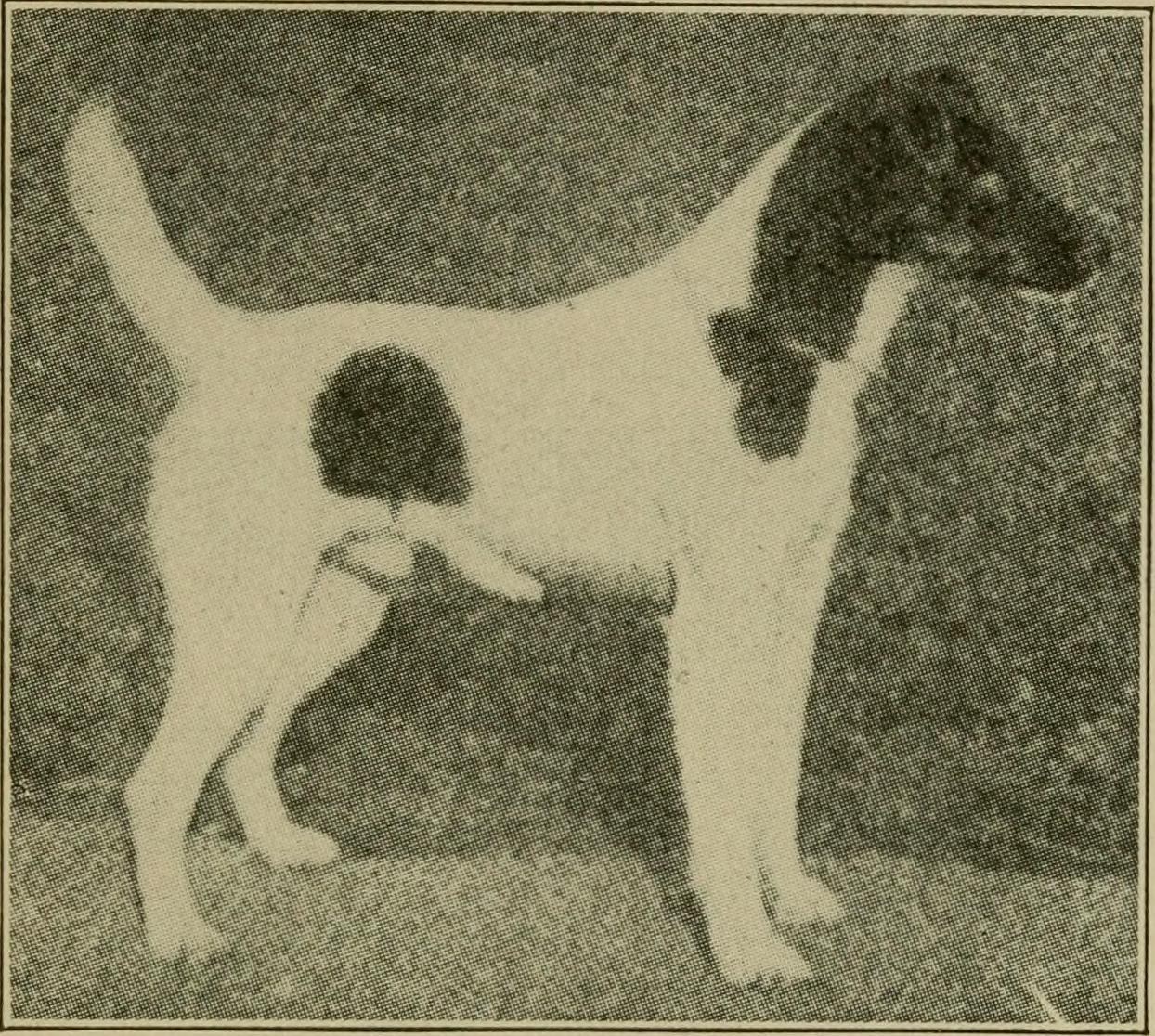
The Fox Terrier Club of England was founded in 1876 and drew up the first description standard. Nine years later, in 1885, the American Fox Terrier Club was founded — the first specialty club ever to become a member of the American Kennel Club (1888). Smooth and Wire were shown as two varieties of one breed for a century, until they were divided into two separate breeds in 1985. Both still sit under the one parent club. (Sources: AFTC club history; Fox Terrier.)
3. The standard, and why it’s written that way
Read the Wire standard as an engineering spec for a fox-earth dog, and every odd detail clicks into place. The quotes below are from the official standard:
- Built to fit down a hole. “A full-sized, well balanced dog should not exceed 15½ inches at the withers… nor should the length of back from withers to root of tail exceed 12 inches,” at 18 pounds. And: “Excessive depth of chest and brisket is an impediment to a Terrier when going to ground.” The size limits aren’t arbitrary — they’re the dimensions of a fox earth.
- A vise for a mouth. “Both upper and lower jaws should be strong and muscular, the teeth as nearly as possible level and capable of closing together like a vise.” Much over- or undershot is a disqualification. That grip was for holding a fox.
- The tail is a handle. “It should be of good strength and substance and of fair length — a three-quarters dock is about right — since it affords the only safe grip when handling working Terriers.” When the dog was underground, the tail was how you got him back.
- White on purpose. “White should predominate.” A mostly-white dog is visible to the huntsman against hounds, horses, and hedgerow.
- Armor for a coat. “Dense, wiry texture — like coconut matting — the hairs growing so closely and strongly together that, when parted with the fingers, the skin cannot be seen.” Bramble-proofing for going through cover and underground.
- Scars are honorable. “Old scars or injuries, the result of work or accident, should not be allowed to prejudice a Terrier’s chance in the show ring.” The standard itself remembers this was a working dog.
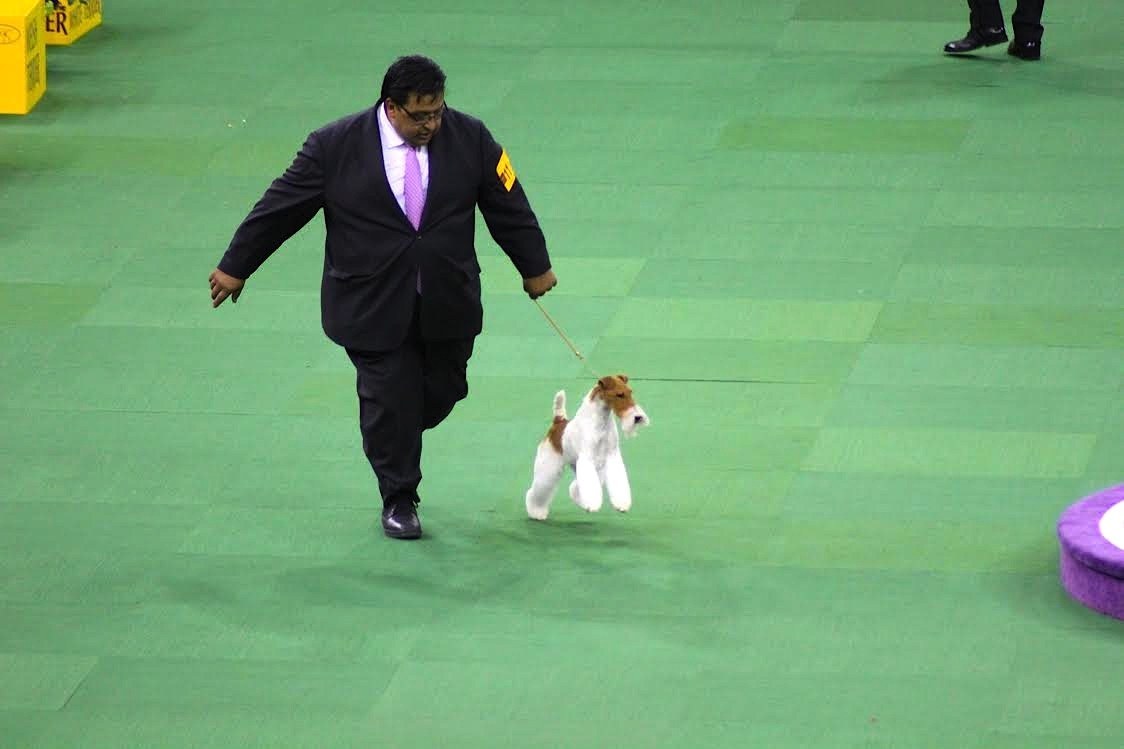
- Movement is the exam. “The movement or action is the crucial test of conformation” — legs swinging “like the pendulum of a clock,” drive from long, powerful hindquarters. A dog that can’t cover ground efficiently couldn’t do the job.
4. Temperament & living with one
The parent club’s own description: outgoing, alert, active dogs, originally bred to be independent hunters. “Although Fox Terriers have minds of their own, they are very affectionate and companionable… Fox Terriers are a high energy breed, very lively, cheerful and funny. But after running and playing, they will sleep all night on your bed or cuddle next to you on the couch.” (Source: aftc.org.)
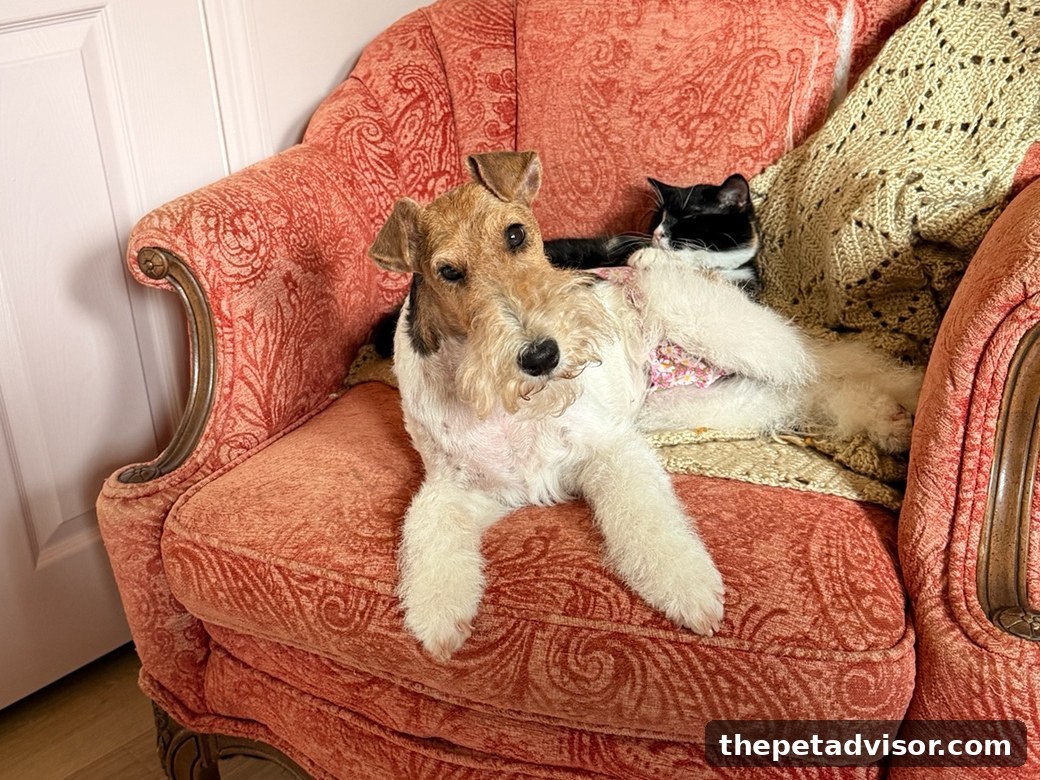
The honest version: this is not a couch dog that happens to be small. A Wire needs a job — training, sport, long walks, a fenced yard to tear around — and an owner who finds the mischief funny rather than exasperating. Give them work and they’re deeply affectionate clowns. Leave them bored and they will redecorate.
5. Grooming: hand-stripping vs. clipping
The show coat is a project. The standard wants that hard, wiry, “coconut matting” texture, averaging ¾ to 1 inch on shoulders and neck and lengthening to 1½ inches on withers, back, ribs, and quarters — and the way you keep it hard is hand-stripping: pulling dead guard hairs by the root so new hard coat grows through. It’s skilled, regular work, and it’s why show Wires look the way they do.
Pet Wires are usually clipped instead. Clipping is easier and cheaper, but it softens the coat permanently and can fade the color. There’s no shame in a clipped pet — just know what you’re choosing. Either way, budget for real coat maintenance: this is not a wash-and-go breed. (Coat facts from the standard; breed basics from the AKC’s Wire Fox Terrier page.)
6. Health testing
The national parent club recommends two health tests for breeding stock (per AKC’s published breed-club health testing requirements):
- Patella evaluation (luxating patellas occur in the breed)
- Cardiac exam
If you’re buying a puppy, ask the breeder to show you these results — and check the current OFA/CHIC requirements for the breed, which the parent club updates over time.
7. The specialty year: the national specialty is the anchor
Every breed has one show a year that matters most: the parent club’s national specialty. For Wires, that’s the American Fox Terrier Club’s national specialty, held each October in Pennsylvania — in 2026 it was part of the Montgomery weekend cluster. It draws the deepest Wire entry of the year, from the most serious fanciers in the country, and a Best of Breed win there is among the most prestigious in the breed. (Source: Wire Fox Terrier Club of the Central States.)
The most recent national specialty was Sunday, October 4, 2026, at the Montgomery County Kennel Club show in Macungie, Pennsylvania, judged by Mrs. Rosalind Kramer. Across the Montgomery weekend, Wire entries ran in the mid-30s at all four shows — 35 at Hatboro Thursday and Friday, 34 at Devon Saturday, 34 at Montgomery Sunday — with a solid specials entry each day. That’s a healthy, competitive breed ring: you’ll need a good dog, well presented, and you’ll earn every point. (Entry counts from the official 2026 judging programs, via ThePetAdvisor’s Montgomery weekend guide.)
What judges are looking for comes straight from the standard: a balanced, short-backed terrier, 15½ inches and 18 pounds, with the hard wiry coat, the keen expression, and movement that’s “the crucial test of conformation.” Presentation matters enormously in this breed — a correctly stripped, well-conditioned Wire is the whole picture.
The next national specialty is expected in October 2027; dates and judges to be announced. Full Montgomery weekend guide →
8. Regional specialties through the year
The national is the anchor, but it’s not the only specialty. Regional Wire clubs hold their own specialties through the year, and they’re where most exhibitors actually campaign their dogs:
- Wire Fox Terrier Club of the Central States — the only club in the United States dedicated solely to the Wire, founded 1944. Its specialty is held every spring in Ohio (Roberts Centre, Wilmington, in recent years), with a breeder-judged Futurity on the Friday before. Recent entries have run in the 30s and 40s.
- Fox Terrier Club of New England — holds its specialty, with sweepstakes, at the Hatboro show on the Thursday of the Montgomery weekend.
Other regional specialties and supported entries will be listed here as they are verified — this section is built from show data, not guesswork. Browse upcoming show weekends →
9. Clubs
- American Fox Terrier Club — the AKC parent club for both Smooth and Wire Fox Terriers, founded 1885. Breeder referral, rescue contacts, and the official standard live here.
- Wire Fox Terrier Club of the Central States — regional specialty club (est. 1940s) holding its own shows.
Know a regional fox terrier club we should list? Tell us — or claim the page below.
10. Rescue
- Wire Fox Terrier Rescue Midwest — volunteer-run 501(c)(3) rescuing, rehabilitating, and rehoming Wire Fox Terriers; dogs live in foster homes, fully vetted before placement.
- AFTC rescue — the parent club maintains a rescue committee; start at aftc.org for the current rescue contact.
11. Breeder vs. rescue: honest guidance
Want a puppy from health-tested parents with a predictable temperament? Go through the AFTC’s breeder referral — the club’s own guidance says to buy from a member breeder bound by its code of ethics, and to ask for the patella and cardiac results in section 6 above. Open to an adult dog? A breed rescue like the ones in section 10 knows its dogs’ personalities and will match you honestly — including telling you when a Wire isn’t the right fit. Either path beats a pet store or a no-questions-asked online seller.
12. Is this your club’s breed? Claim this page.
Parent club, regional club, or rescue: this page is yours to improve. Send corrections, better history, show-grooming tips, upcoming specialty dates, or rescue updates to [email protected] and we’ll update it — with credit to your club. ThePetAdvisor is the front door, not a replacement: every page here funnels visitors to you.
Sources
- AKC Wire Fox Terrier standard (as published by the AFTC; approved Feb 9, 1991)
- American Fox Terrier Club
- AFTC: about the club & club history
- AFTC: finding a fox terrier
- AKC: Wire Fox Terrier breed page
- AKC: Terrier Group health testing requirements (from the national breed clubs)
- OFA Canine Health Information Center (CHIC)
- ThePetAdvisor: Montgomery weekend 2026 guide (entry counts & judges from the official judging programs)
- Wire Fox Terrier Club of the Central States (AFTC National Specialty held each October in Pennsylvania; club history and specialty details)
- Hatboro Dog Club 2026 premium list (Fox Terrier Club of New England specialty, Thursday October 1, 2026)
ThePetAdvisor is an independent guide and is not affiliated with, endorsed by, or sponsored by the American Kennel Club, the American Fox Terrier Club, or any show superintendent.