
Breed profile · Non-Sporting Group · America’s most popular breed
French Bulldog
America’s most popular dog is a bat-eared, heavy-boned companion that went from the laps of Nottingham lace workers to Paris cafés to the top of the AKC registrations — and it is also the breed buyers most need to understand before they buy. The standard’s own hallmarks say it plainly: “the square head with bat ears and the roach back.”
Second breed page — help us improve it. This is the second of ThePetAdvisor’s breed profiles, built from public sources with generous links to the people who actually own this breed’s knowledge. If something’s off or missing, the parent club can claim the page and set it straight — see the bottom of the page.
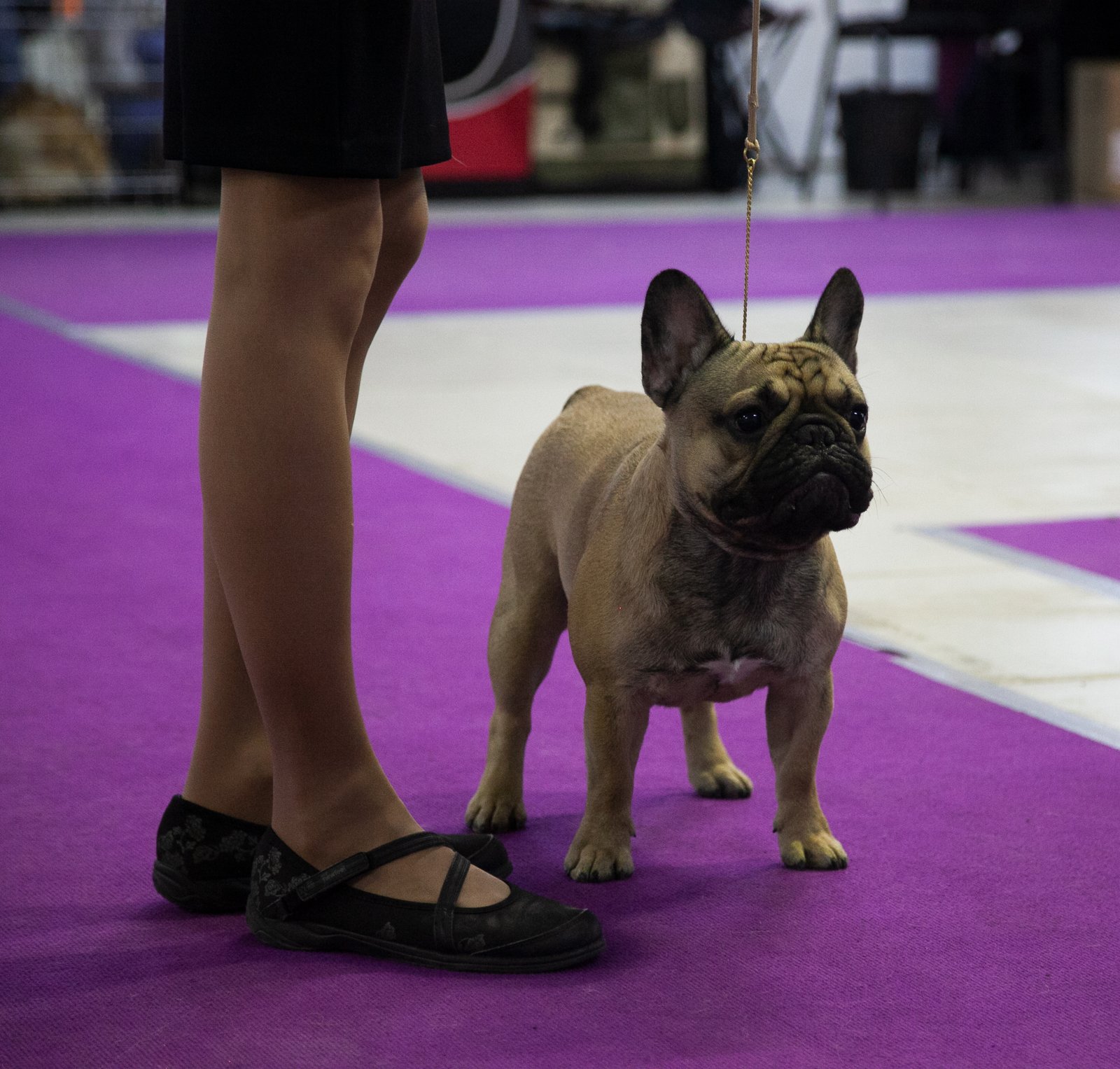
1. Breed at a glance
Non-Sporting — recognized since 1898
Weight not to exceed 28 lbs; over 28 lbs is a disqualification. AKC lists 11–13 inches at the shoulder.
Brilliant, short and smooth. White, cream, fawn, brindle, piebald — with black masks and shadings.
“Well behaved, adaptable, and comfortable companions with an affectionate nature and even disposition.”
Moderate. “Generally active, alert, and playful, but not unduly boisterous” — and built for short bursts, not heat.
Size, weight, coat, and temperament facts are from the AKC standard as published by the French Bull Dog Club of America (approved April 10, 2018; effective June 5, 2018). Height from the AKC breed profile.
2. History
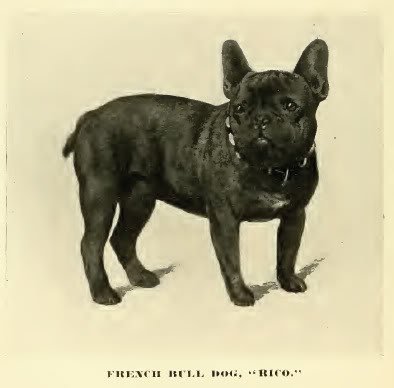
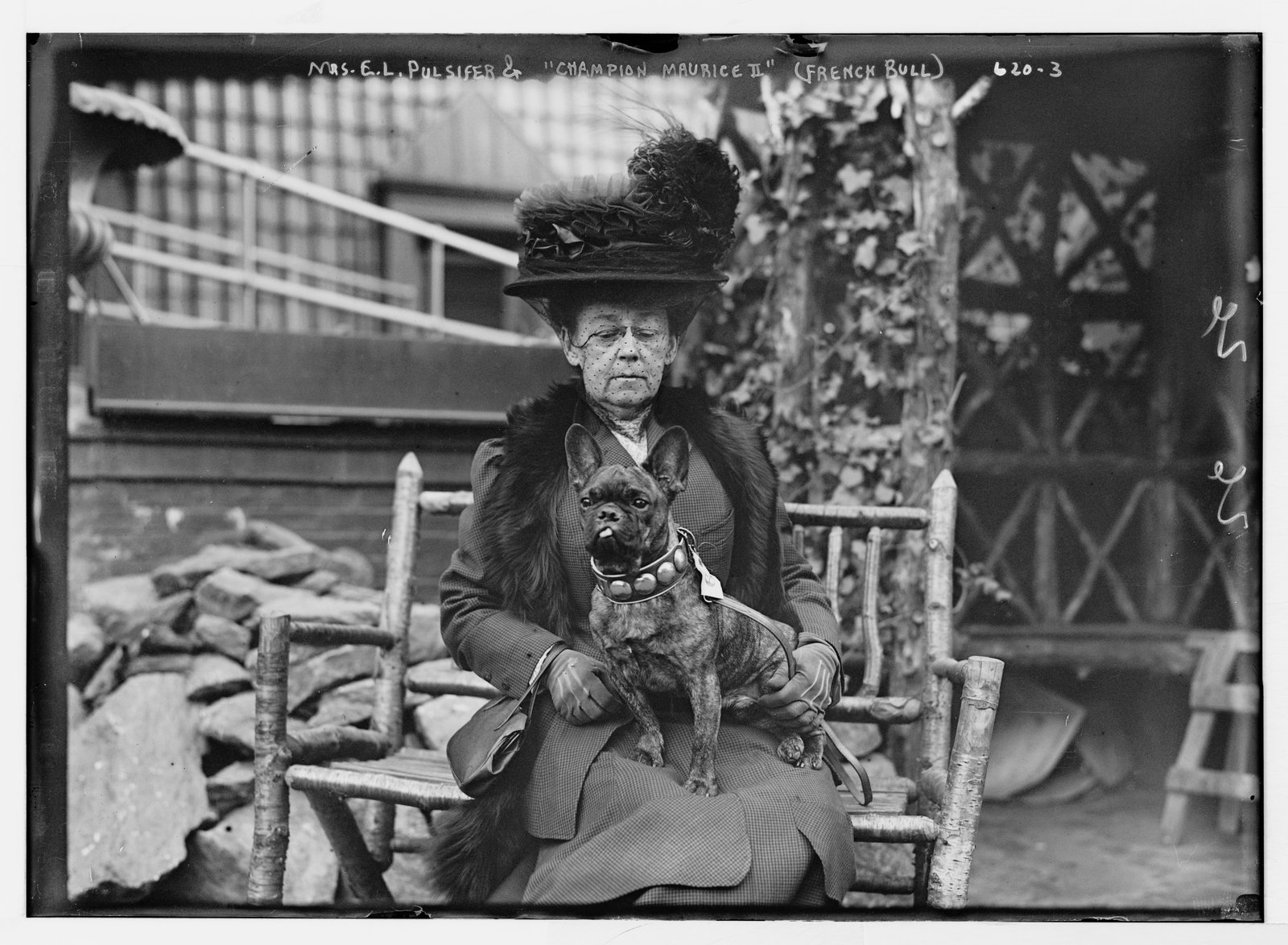
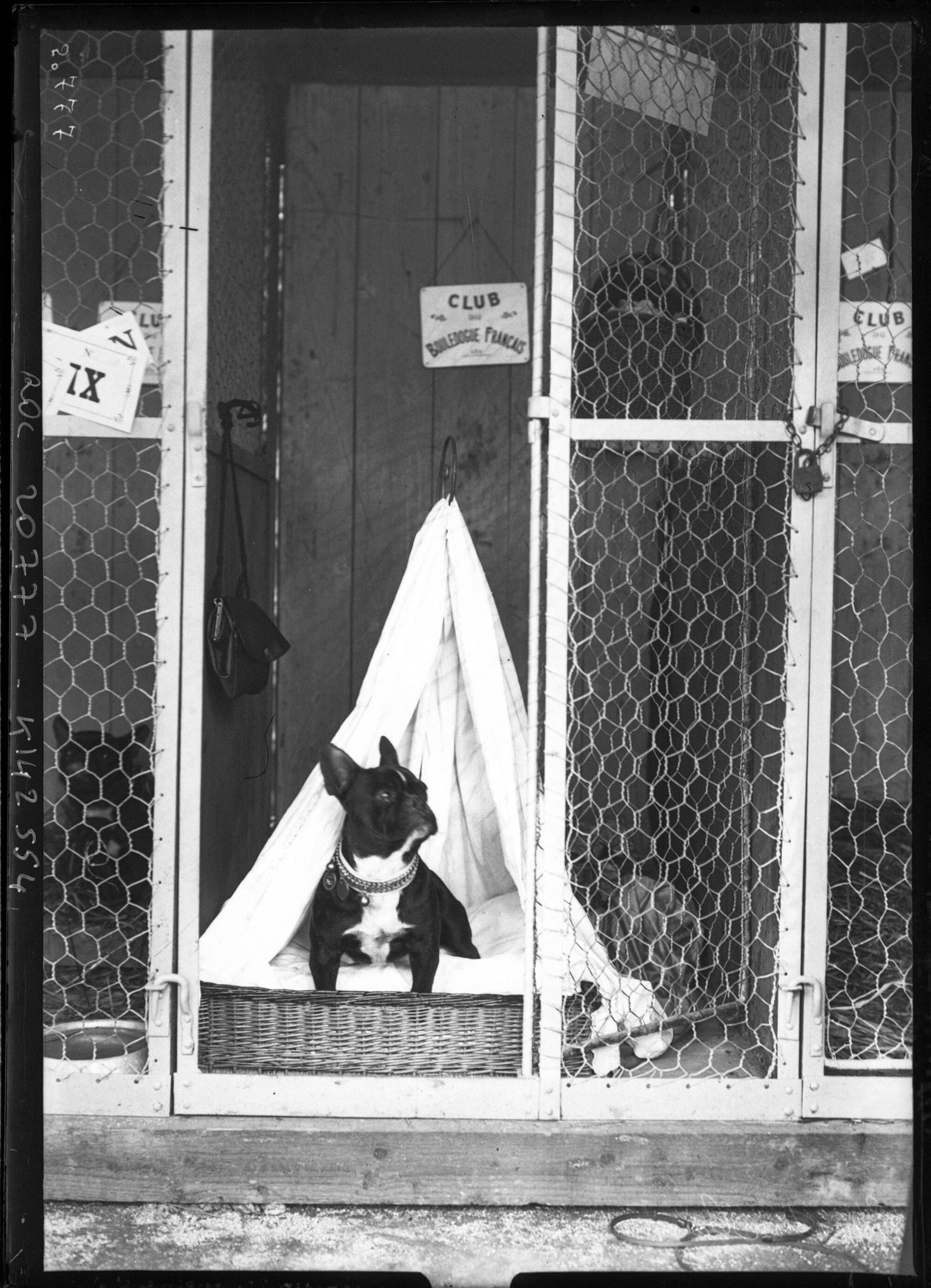
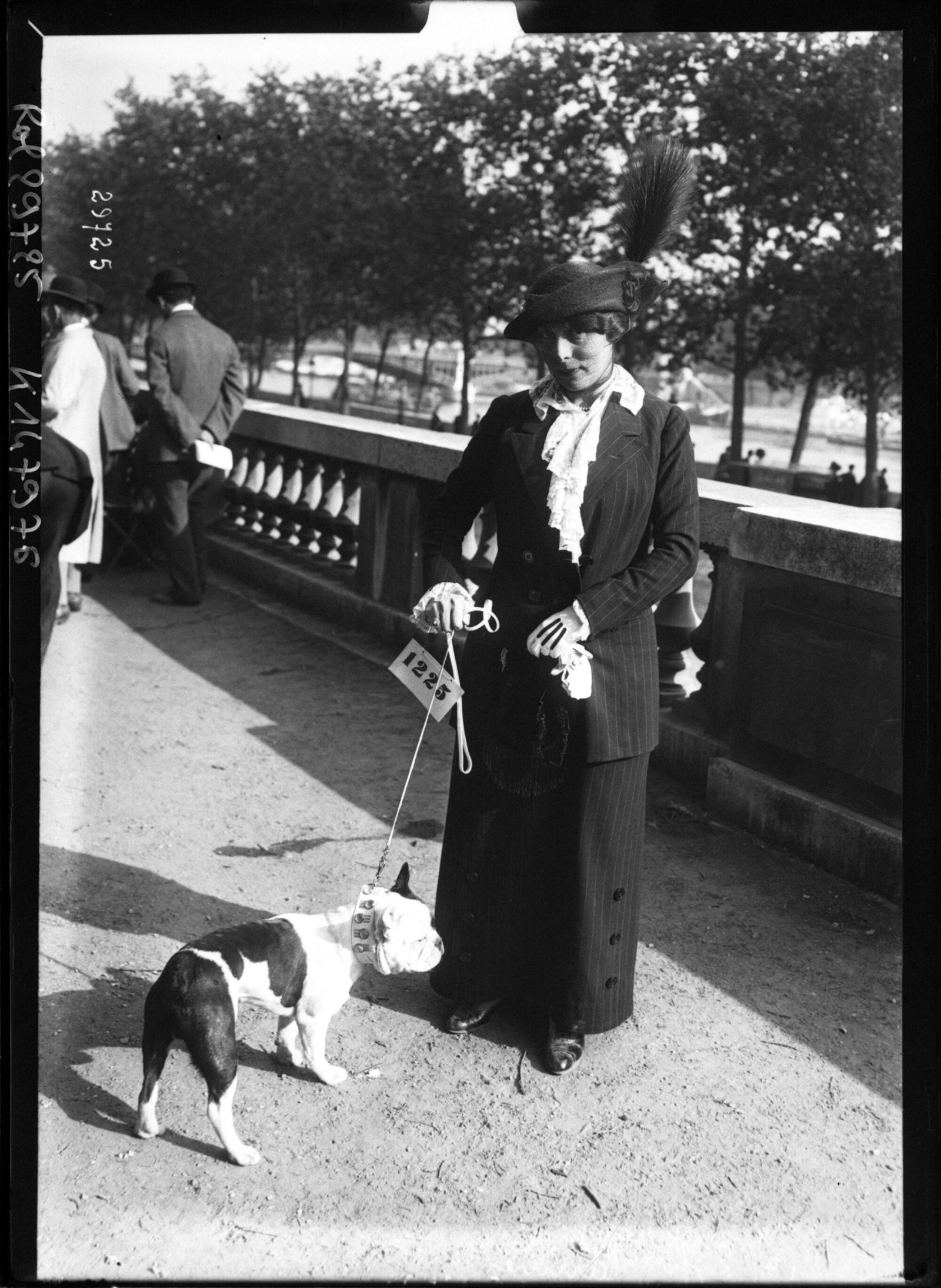
The French Bulldog starts in Nottingham, England, with lace workers who kept small Bulldogs as companions. When the Industrial Revolution put the lace workers out of their jobs, they took the dogs with them across the English Channel to Normandy, in northern France — and the dogs became the Bouledogue Français, fashionable in Paris, in the cafés and studios of Montmartre. (Source: AKC breed history.)
The breed’s American story turns on an argument about ears. Frenchies were first exhibited at Westminster in 1896. At the Westminster show in February 1897, English judge George Raper put up rose-eared dogs — and the Americans who had come to see bat ears were furious. There was no published standard defining the breed and no organization devoted to it, so they founded one: the French Bull Dog Club of America, on April 5, 1897, the first club in the world dedicated exclusively to the breed, and wrote the first standard with the bat ear as the only acceptable ear. The club held its first specialty on February 12, 1898, in the sun parlor of the Waldorf-Astoria Hotel in New York — rose-eared dogs were not welcomed. The AKC recognized the breed in 1898. (Sources: FBDCA club history; FBDCA judges-education presentation.)
Then came the long climb. The breed sat at No. 14 in the AKC registrations in 2012, rose to No. 2 in 2021, and in 2022 took the No. 1 spot from the Labrador Retriever, ending the Labrador’s 31-year reign. It has held No. 1 ever since — 2025 is the fourth consecutive year, and the French Bulldog is now the most-registered breed in America. (Source: AKC most popular breeds 2025.)
3. The standard, and why it’s written that way
Read the Frenchie standard as a portrait of a small, heavy-boned companion — and every line is a guardrail against the things that go wrong when the breed is bred for extremes. The quotes below are from the official standard (approved April 10, 2018):
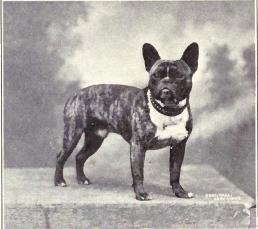
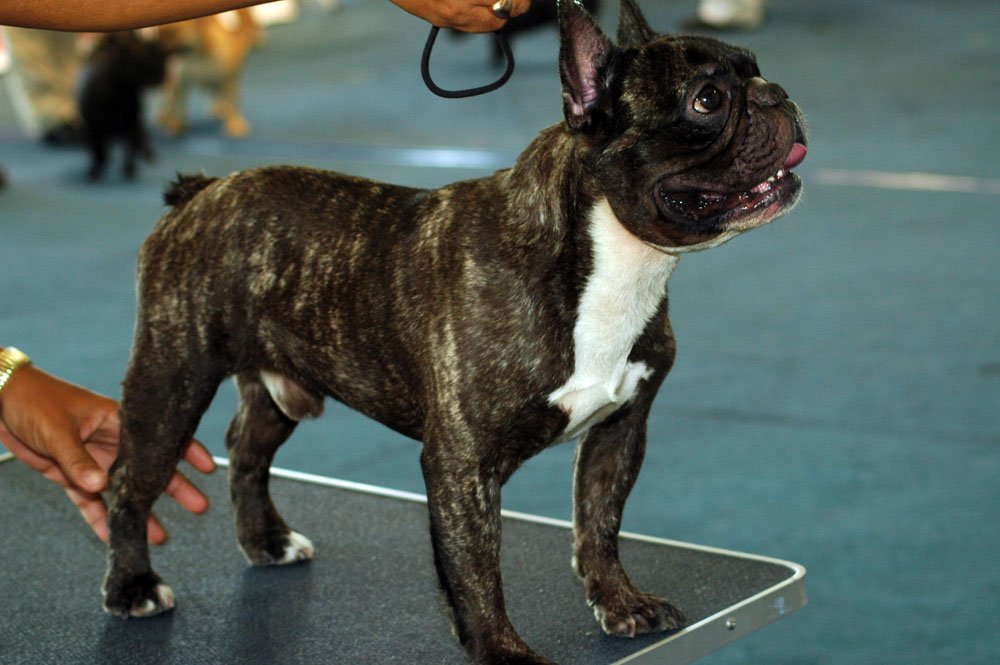
- Bat ears, and nothing else. “Known as the bat ear, broad at the base, elongated, with round top, set high on the head but not too close together, and carried erect with the orifice to the front. The leather of the ear fine and soft. Other than bat ears is a disqualification.” The whole club was founded over this — the bat ear is the breed’s signature, and the standard still brooks no alternative.
- Square head, roach back. “The French Bulldog has the appearance of an active, intelligent, muscular dog of heavy bone, smooth coat, compactly built, and of medium or small structure. The hallmarks of the breed are the square head with bat ears and the roach back. Expression alert, curious, and interested.” The roach — the rise over the loin — is part of the silhouette a judge looks for.
- 28 pounds, and not an ounce more. “Weight not to exceed 28 pounds; over 28 pounds is a disqualification.” And: “Muscular, heavy bone.” The limit is the point: this is a compact, heavy-boned dog, and bigger is not better — it is disqualified.
- Short and smooth, or not at all. “Coat is brilliant, short and smooth. Skin is soft and loose, especially at the head and shoulders, forming wrinkles. Coats other than short and smooth are a disqualification.” Long-coated “fluffy” Frenchies and hairless ones are disqualifications, not varieties.
- Colors, and the ones that are not colors. “Acceptable colors: white, cream, fawn (ranging from light fawn to a red fawn), or any combinations of the foregoing. Markings and patterns are: brindle, piebald, black masks, black shadings, and white markings.” Solid black, black-and-tan, black-and-white, white-with-black, blue, blue fawn, liver, and merle are all disqualifications. The parent club’s warning is blunt: dogs sold in those colors “are not French Bulldogs and are not purebred.”
- Temperament is the point. “Well behaved, adaptable, and comfortable companions with an affectionate nature and even disposition; generally active, alert, and playful, but not unduly boisterous.” The standard describes a companion first — the rest of the dog exists to serve that temperament.
- Movement is four-tracking. “Correct gait is a ‘four tracking’ foot pattern with the front track wider than the rear track.” The wide front track is the heavy-boned front at work.
4. Temperament & living with one
The standard’s own description: “Well behaved, adaptable, and comfortable companions with an affectionate nature and even disposition; generally active, alert, and playful, but not unduly boisterous.” The AKC puts it more plainly: “The Frenchie is playful, alert, adaptable, and completely irresistible.” They work well in cities and apartments, and they want to be where their people are. (Sources: the standard; AKC breed page.)
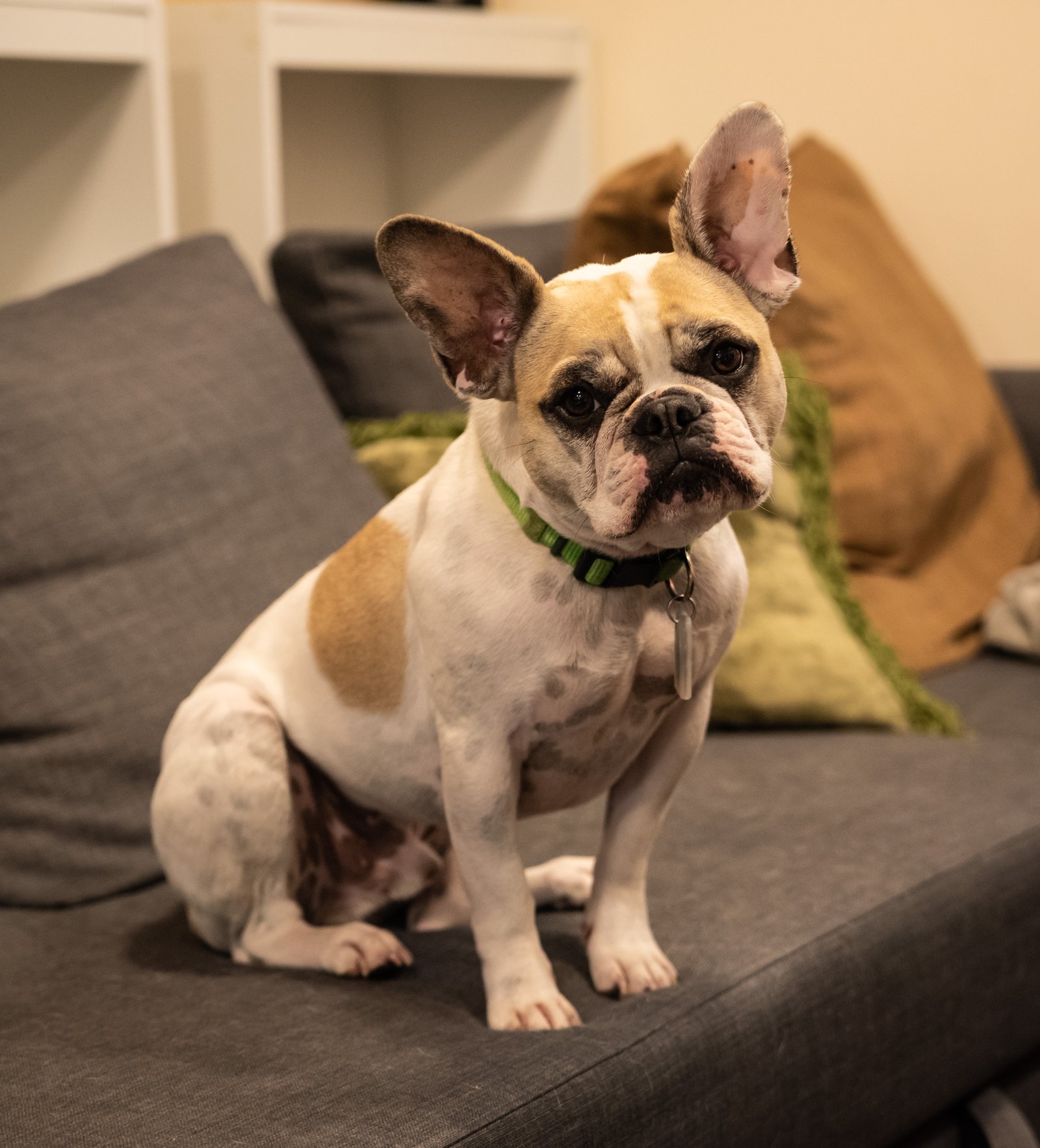
The honest version: this is a companion dog in the fullest sense, and the flat face sets the terms. A Frenchie needs modest daily exercise — a leisurely walk or some backyard games — and an owner who respects the heat. They overheat easily because of the flat face, so indoor games are preferable in warm weather, and they are not swimmers: the parent club’s own flyer says French Bulldogs “are not designed to swim. They are heavily fronted and can easily tip forward in deep water.” AKC president and CEO Gina DiNardo said it best when the breed took No. 1: “While the French Bulldog is a wonderful companion for many, it is not a ‘one size fits all’ breed… Popularity does not mean it’s right for everyone.” (Sources: VCA Animal Hospitals; FBDCA summer flyer; AKC press release.)
5. Grooming: the coat is the easy part
The coat takes minutes. The standard wants it “brilliant, short and smooth,” and a weekly brushing to remove dead hair is enough — shedding is average. The face takes attention: the skin is “soft and loose, especially at the head and shoulders, forming wrinkles,” and those wrinkles, including any around the tail, should be examined, cleaned, and dried daily, or they become skin trouble. (Coat facts from the standard; care from VCA Animal Hospitals.)
That is the whole grooming job — no stripping, no clipping, no elaborate coat routine. What the breed demands instead is vigilance: folds kept clean and dry, ears checked, nails trimmed, and the dog kept cool. A Frenchie is low-maintenance on the coat and high-maintenance on the face, and anyone selling you a complicated grooming story for this breed is selling you something else.
6. Health testing
The honest version first: this is the central question for anyone buying a French Bulldog, and it should not be softened. French Bulldogs are brachycephalic — flat-faced — and a Royal Veterinary College study of 2,781 French Bulldogs found them about 31 times more likely than other dogs to suffer brachycephalic obstructive airway syndrome and about 42 times more likely to have stenotic nares (narrowed nostrils). The study’s authors concluded the breed “can no longer be considered as being typical dogs from a health perspective.” The airway problem has four parts: narrowed nostrils, an elongated soft palate, a narrow windpipe (tracheal hypoplasia), and everted laryngeal sacs. (Source: O’Neill et al., Canine Medicine and Genetics, 2021.)
Lifespan figures need the same honesty. A Royal Veterinary College life-table study put French Bulldogs at 4.5 years of remaining life expectancy at birth — the shortest of 18 breeds — but that figure comes from a very young, fast-growing population with only 232 French Bulldogs in the analysis, and it is a life-table expectancy, not a typical lifespan. A larger 2024 study of more than 500,000 dogs gives a median of about 9.8 years, and the AKC lists 10–12 years. Read the 4.5-year number as a warning about the population’s youth and the breed’s health burden, not as a prediction for a well-bred, well-cared-for dog. (Sources: Royal Veterinary College; AKC breed profile.)
The rest of the list: the spine (hemivertebrae and disc disease — the parent club’s own flyer notes most symptomatic back problems are disc disease rather than abnormal vertebrae), the eyes (juvenile hereditary cataracts), the skin (fold dermatitis, made worse by dirty wrinkles), the hips, the kneecaps (patellar luxation), and heat. And the birth itself: 81.3% of French Bulldog litters in a 2004 UK survey of 22,005 litters were delivered by caesarean section — a buyer should know a Frenchie litter usually means surgery. (That survey could not distinguish planned from emergency sections, and it is a UK population.) (Sources: FBDCA breed flyer; Evans & Adams, Journal of Small Animal Practice, 2010.)
The national parent club’s testing requirements for a CHIC number (per the FBDCA’s own CHIC page):
- Hip dysplasia — OFA radiographic evaluation or PennHIP, registered with OFA
- CAER eye exam — examination by a board-certified veterinary ophthalmologist, registered with OFA; annual recertification recommended
- Patellar luxation — veterinary evaluation, registered with OFA
- Cardiac evaluation — basic exam or echocardiogram, registered with OFA
Recommended on top of those: tracheal hypoplasia, elbow dysplasia, juvenile hereditary cataracts (HSF4), respiratory function grading (RFGS), and cystinuria type 3. Two things a buyer should know: a CHIC number means the required tests were done and made public — it does not imply normal or passing results. And the parent club recommends clinical screening, not DNA panels: the AKC’s own page notes “the French Bull Dog Club of America does not recommend any DNA testing,” with juvenile cataracts and thyroid as optional DNA tests. (Sources: FBDCA CHIC page; AKC breed health-testing requirements.)
If you’re buying a puppy, ask the breeder to show you these results — and check the current OFA/CHIC requirements for the breed, which the parent club updates over time. If a breeder cannot show you the hips, eyes, patellas, and cardiac results, that is your answer.
7. The specialty year: the national specialty is the anchor
Every breed has one show a year that matters most: the parent club’s national specialty. For Frenchies, that’s the French Bull Dog Club of America’s national specialty, a standalone week — no all-breed shows attached — held in late October or early November at a rotating venue. It draws the deepest French Bulldog entry of the year, from the most serious fanciers in the country, and a Best of Breed win there is among the most prestigious in the breed. (Source: FBDCA 2026 National Specialty.)
The most recent national specialty runs November 2–7, 2026, at the Roberts Centre, 123 Gano Road, Wilmington, Ohio, superintended by MB-F. The National Specialty itself is Thursday through Saturday, November 5–7: Puppy and Veteran Sweepstakes on Thursday, judged by Ms. Lorene Schettino LaVecchia; regular classes on Friday, judged by Mrs. Patricia A. Sosa; Best of Breed on Saturday, also judged by Mrs. Sosa. The week also holds an Independent Specialty on Tuesday and Wednesday, judged by Ms. Linda J. Moore, a 4–6 Month Puppy competition on Wednesday, judged by Mr. David J. Johnson, and a guest regional specialty from the French Bulldog Club of Puget Sound on Monday. (Sources: FBDCA 2026 National; official MB-F judging program.)
Entries, from the official judging program: the National Specialty drew 238 dogs and 345 total entries across Thursday through Saturday — 86 dogs in Thursday’s sweepstakes, 138 in Friday’s regular classes, and 121 on Best of Breed Saturday, including 105 in Best of Breed competition (59 dogs, 46 bitches). The same dogs appear on multiple days, so the day totals overlap and do not sum to the headline figure. The Independent Specialty drew 235 dogs and 254 entries, plus 26 puppies in the 4–6 Month competition, and the Puget Sound guest specialty drew 149 dogs. Entries closed October 14, 2026. (Source: official MB-F judging program.)
For comparison, the 2025 national specialty ran October 25–November 1, 2025, at the Alexis Park Resort in Las Vegas, Nevada, judged by Mrs. Elaine Lessig, with 172 entries; Best of Breed was GCHP Robobull Fabelhaft Catara. (Sources: BaRay 2025 judging program; FBDCA 2025 Honors & Awards program; AKC event results.)
The 2026 specialty runs November 5–7, 2026 — results will be added here when they are published. The 2027 dates had not been announced as of November 2026. FBDCA National Specialty page →
8. Regional specialties through the year
The national is the anchor, but it’s not the only specialty. Regional French Bulldog clubs hold their own specialties through the year, and they’re where most exhibitors actually campaign their dogs. These are the verified 2026 events:
- French Bulldog Club of Puget Sound — Monday, November 2, 2026, Roberts Centre, Wilmington, Ohio (guest specialty at national week). 149 dogs / 150 entries. Judge: Mr. Richard LeBeau.
- French Bulldog Club of Puget Sound — Friday, March 20, 2026. 42 dogs / 59 entries. Judges: Ms. Laura Hagey, Ms. Debra Thornton.
- French Bulldog Club of Puget Sound — Saturday, July 4, 2026, Fourth Annual Bow Tie Specialty, with the Puyallup Valley Dog Fanciers show, Washington. 34 dogs / 48 entries. Judges: Ms. Mary DeLisa (sweepstakes), Mr. Dale Martenson.
- Great Lakes French Bulldog Club — Saturday, June 27, 2026, with the Kettle Moraine Kennel Club show, Wisconsin. 26 dogs / 29 entries. Judge: Mr. Juan Miranda.
- Pacific Northwest French Bulldog Club — Friday, June 19, 2026, with the Clackamas Kennel Club show, Oregon. 38 dogs / 51 entries. Judges: Ms. Kay Pedisch, Mrs. Pamela Schroeder.
- French Bulldog Club of Georgia — Saturday, July 18, 2026, Concord, North Carolina, with the Greater Monroe Kennel Club / Speedway Classic. 37 dogs / 56 entries. Sweepstakes: Ms. Susan Cooper; Junior Showmanship: Ms. Tami Rose Bradford.
- French Bulldog Fanciers of the Northeast — Saturday–Sunday, July 11–12, 2026. Saturday 31 dogs (Judge: Ms. Debra Thornton); Sunday 34 dogs (Judge: Mr. David L. Kittredge).
- Greater Twin Cities French Bulldog Club — Friday–Sunday, July 17–19, 2026, Crowne Plaza Minneapolis West, Plymouth, Minnesota (standalone specialty weekend). Friday morning 34 entries (Judge: Mr. Mark Kennedy); Friday afternoon 36 entries (Judge: Ms. Sonia Davis); Saturday 36 entries (Judge: Mrs. Ann Wildman); Sunday 34 entries (Judge: Ms. Cathy Eke); puppy sweepstakes Friday afternoon (Judge: Ms. Lisa Cornett).
Other regional specialties and supported entries will be listed here as they are verified — this section is built from show data, not guesswork. Browse upcoming show weekends →
9. Clubs
- French Bull Dog Club of America — the AKC parent club, founded April 5, 1897, the first club in the world dedicated exclusively to the breed. Breeder referral, rescue contacts, health testing, and the official standard live here.
Regional French Bulldog clubs — the ones holding the specialties in section 8, from Puget Sound to the Northeast — are the working clubs of the breed. Start at the parent club’s site for regional club contacts.
10. Rescue
- French Bulldog Rescue Network — founded 2001, an independent, all-volunteer 501(c)(3) rescuing, rehabilitating, and rehoming French Bulldogs across the United States and Canada. It is explicitly not affiliated with any AKC breed club, though the parent club supports it.
- French Bulldog Village Rescue — also a 501(c)(3) supported by the parent club; it rescues and rehomes French Bulldogs and French Bulldog mixes.
The parent club itself runs no rescue — it supports these two independent organizations. Start with them for adoption or surrender.
11. Breeder vs. rescue: honest guidance
Want a puppy from health-tested parents with a predictable temperament? Go through the FBDCA’s breeder referral — listed breeders must have been club members for at least three years and have signed a written Code of Ethics — and ask for the hips, eyes, patellas, and cardiac results in section 6 above.
And beware the “rare color” market. The parent club’s warning is plain: “A reputable breeder will NOT breed or sell dogs with disqualifying colors… Although some people advertise and sell (usually for a very inflated price) Frenchies with what they call ‘rare’ colors, this is considered unacceptable by the FBDCA.” Blue, blue fawn, liver, lilac, platinum, blue-and-tan, black-and-tan, merle, long-coated, and hairless dogs are all disqualifications, and the club says of them: “These are not French Bulldogs and are not purebred.” An AKC registration does not change that — registration records parentage, it does not certify that a dog meets the standard. Over 28 pounds, blue or green eyes, and anything but bat ears are disqualifications too, not varieties.
Open to an adult dog? A breed rescue like the ones in section 10 knows its dogs’ personalities and will match you honestly — including telling you when a Frenchie isn’t the right fit. Either path beats a pet store or a no-questions-asked online seller. And remember the AKC’s own caution: “Popularity does not mean it’s right for everyone.”
12. Is this your club’s breed? Claim this page.
Parent club, regional club, or rescue: this page is yours to improve. Send corrections, better history, show-grooming tips, upcoming specialty dates, or rescue updates to [email protected] and we’ll update it — with credit to your club. ThePetAdvisor is the front door, not a replacement: every page here funnels visitors to you.
Sources
- AKC: most popular dog breeds of 2025 (French Bulldog No. 1, fourth consecutive year; full top 10)
- AKC press release, March 18, 2026 (fourth year at No. 1; 2022 takeover ending the Labrador’s 31-year reign)
- AKC: French Bulldog breed page
- AKC: French Bulldog breed history (Nottingham lace workers to Normandy)
- AKC French Bulldog standard (as published by the FBDCA; approved April 10, 2018; effective June 5, 2018)
- AKC: French Bulldog health-testing requirements (from the parent club)
- French Bull Dog Club of America
- FBDCA: club history (founded April 5, 1897; the ear dispute; first specialty February 12, 1898)
- FBDCA: breeder referral (members 3+ years, Code of Ethics; “rare colors” warning)
- FBDCA: CHIC testing requirements
- FBDCA: rescue organizations it supports
- FBDCA: judges-education presentation (1896 Westminster debut; 1897 founding and first standard)
- FBDCA: breed feature on fad colors (“These are not French Bulldogs and are not purebred”)
- FBDCA: summer flyer (French Bulldogs are not designed to swim)
- FBDCA: breed flyer (disc disease; spine)
- FBDCA: 2026 National Specialty
- MB-F judging program, 2026 FBDCA National Specialty week (entry counts, judges, schedule)
- MB-F premium list, 2026 FBDCA National Specialty week
- French Bulldog Rescue Network (founded 2001, independent 501(c)(3))
- French Bulldog Village Rescue (501(c)(3); Frenchies and mixes)
- O’Neill et al., Canine Medicine and Genetics, 2021 (BOAS odds; VetCompass study of 2,781 French Bulldogs)
- Royal Veterinary College: life-expectancy research
- Evans & Adams, Journal of Small Animal Practice, 2010 (81.3% of French Bulldog litters by caesarean)
- VCA Animal Hospitals: French Bulldog (exercise, heat, grooming, wrinkles)
- Britannica: French Bulldog (height and lifespan, corroborating the AKC profile)
- Petfinder: French Bulldog (height and lifespan, corroborating the AKC profile)
- OFA Canine Health Information Center (CHIC)
- AKC-hosted judging program, French Bulldog Club of Puget Sound, March and July 2026
- BaRay judging program, Great Lakes French Bulldog Club, June 27, 2026
- BaRay judging program, Pacific Northwest French Bulldog Club, June 19, 2026
- BaRay judging program, French Bulldog Club of Georgia, July 18, 2026
- AKC-hosted judging program, French Bulldog Fanciers of the Northeast, July 11–12, 2026
- Judging program, Greater Twin Cities French Bulldog Club, July 17–19, 2026
Photographs on this page are used under their Creative Commons licenses or are in the public domain; each caption names the photographer or source and links the license where one applies. ThePetAdvisor is an independent guide and is not affiliated with, endorsed by, or sponsored by the American Kennel Club, the French Bull Dog Club of America, or any show superintendent.